
Refugio
A place of refuge, reflection, and renewal. In-residence retreats and weeklong Intensives curated to replenish physicians, inspire our practice, and reinvigorate our calling. Sink into the rhythm of refuge as you acquire practices that sustain you, rebalance your priorities, tap into The Missing Curriculum, and get help strategizing to create a practice life you love based on the personal practice prescription you write.

Strong Foundations
The base curriculum helps shed depleting habits and replace them with habits that nurture your health: the strongest tool you have in the care of others. Immersive experience and exposure to a variety of practices helps you realize in visceral terms the positive impact of them and is far more powerful than trying them once in a workshop or appealing to reason alone (although the neurobiological underpinnings will be shared). We are much more capable of supporting enduring change in our patients when we ourselves Grow, Heal, and Thrive in the same practices. We bring our authenticity—and humility—to the table.
The Refugio experience not only sends you home with a practical toolkit, it also unlocks the door to ongoing engagement in these practices remotely and, through Metamorphosis Medicine, continually updated content to support and understand them and introduce new approaches.
Emotional regulation
Focus and concentration
Movement for strength, flexibility, presence, and accessing important information from and through the body
Sleep, for renewal and processing of complex thought and emotion
Eat, provide nourishment your body craves
Commune, gather, relate, connect
Play
FIRST AID The Missing Curriculum
FIRST AID is an acronym for many of the challenges and feeling states we dwell with in doctoring, that contribute quietly to how well we do or don’t do our job and how we feel about our work, ourselves, and one another. These are not explicitly or commonly addressed in our education, practices, or relationships except as negative, repetition loops of disempowering complaint. The Missing Curriculum articulates these issues and offers tools, ever-evolving, to ameliorate, metabolize, and transform them.
Failure, unexpected outcomes
Fatigue, exhaustion that is emotional and physical
Isolation, the burden of responsibility, accountability in the face of diminishing authority, perfectionism
Inadequacy, loss of sense of agency, feeling ineffective
Rage, anger, overload, emotional dysregulation, moral injury and moral outrage
Sadness, grief, remorse, loss.
Stress that moves beyond the healthy challenge of capacity
Trauma, primary and secondary, history of complicated stress that can be personal, familial, and intergenerational, a culture of medicine that reinforces constituent features of trauma, exposure to traumatic events in the lives of others.
Anxiety, fear.
Depersonalization
Detachment, emotional disconnect, over-reliance on objectivity as a coping strategy
Depression
Rebalanced Priorities
A career in medicine offers the unique opportunity to enjoy financial security, intellectual (and technical) challenge in the clinical application of scientific knowledge, and meaningful work as we serve the humanitarian calling. It is really this third element that distinguishes medicine from other professions and is the heart of being a doctor, yet it has been relegated to a distant third place. To our detriment.
Professional rebalancing begins in Refugio with recasting and redefining the trifecta of doctoring as
Prosperity
Knowledge
Calling
We then attend to reclaiming the calling—our sacred intention and humanitarian impulse, our desire to help others heal—while embracing prosperity and knowledge in pragmatic ways.

Your Personal Practice Prescription
Just as we are discovering that patients need individualized medicine, one size doesn’t fit all doctors. Discernment, strategy, encouragement, advice, and the power of incremental change will help you discover the medicine you need to be the doctor you once dreamt of becoming. Maybe you’re well on your way, or perhaps you’re in a major transition. This is space to consider options that might never occur to you on your own or to reflect on strategies for achieving them. As you make incremental changes to shape a way of service that reflects your interests, strengths, and goals, you also contribute incrementally to the larger project and joint effort to realize that clinicians have the power to shape our practices.
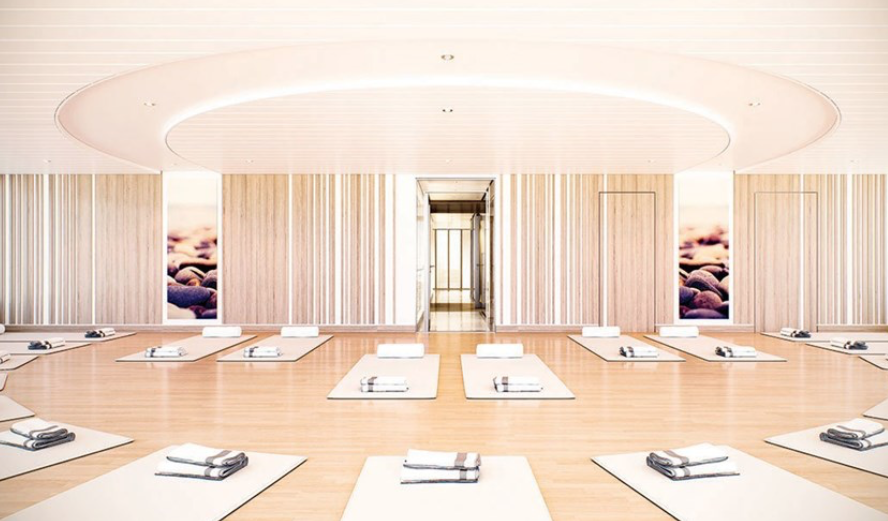
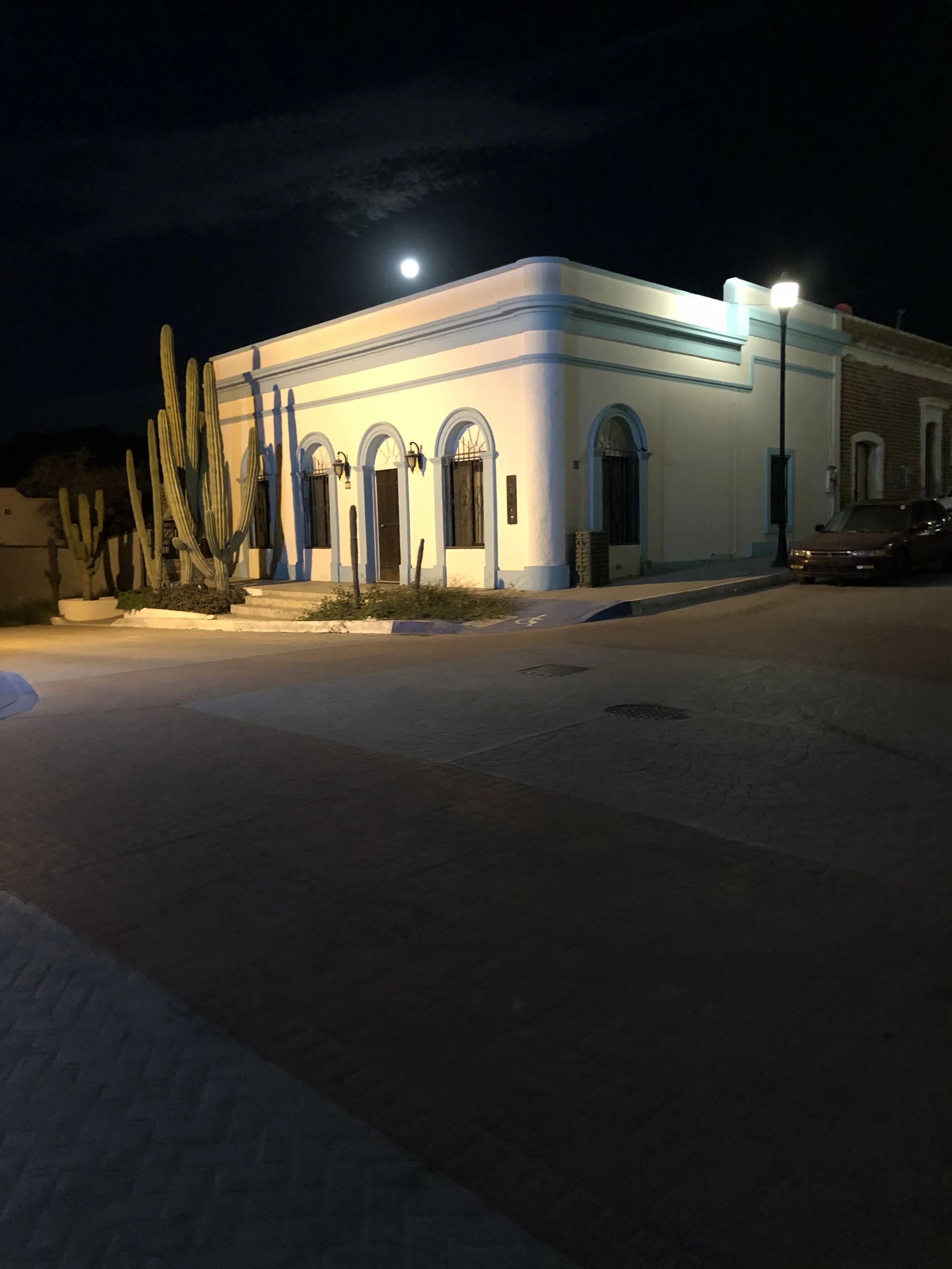
Where Does this Happen?







One-Week Intensives: Sample Topics
The Neurobiology of W-
Join couples therapist Dr. ST and Dr. TBT with your spouse or life partner to explore the neuroscience, attachment theory, and other approaches for deepening secure connection in intimate relationship. ST is the founder of P—- which helps us understand our partner’s brain and attachment style and learn ways to neurologically prime the brain for greater love and fewer conflicts.
Learning and Growing Through Medical Error
A technical error or error in judgement, an unexpected outcome or breakdown in communication, a lawsuit. These are all difficult experiences, sometimes the hardest things we face in practice, sometimes forever altering our sense of confidence and practice style. Is there an alchemy for transforming these experiences into something more?
Coping and Communication
There is help for showing up in your work as a physician with greater grace and ease, whether you initiate this journey yourself or have been asked to find guidance.
Stress School
Tired of talking about everything? Here are some stress busting skills that work through the body, releasing habits and beginning rewiring of established neural pathways. Talk to the nervous system through other sensory inputs. (And yes, there’s theory, too.)
Food as Medicine
What we learned in medical school and how we treat our own bodies is not sufficient for ourselves much less our patients or the planet. There is actual science to substantiate that not all calories are the same. It’s time to learn how to provide yourself with all the nutrients, co-factors, probiotics and probiotics to support your holobiont self. What exactly is a plant-based diet? Why do different schedules for eating matter? Why is eating wild fish better than eating farmed fish or other animal protein? What the heck is a “cleanse,” and why would any reasonable (science-minded) person consider doing that? Are there toxins in food or foods that can help remove toxins from our bodies? And what the heck can we eat for pleasure, love and convenience in our busy lives? This is a week of talking, tasting, and cooking.
Caring for Self, Caring for Others
It often seems like caring for ourselves stands in opposition to caring for others. There is a cultural belief that sacrifice eventually opens up into transcendence. There is a relationship between having an open heart and self-care that we can discover. Working from places of our own truth, self-acceptance, and healing, we can, as Dr. Rana Awdish suggests. more readily turn to face in the same direction as our patients without losing ourselves in the abyss of suffering.
Work and Conflict
Perhaps you’ve come to an impasse or worse in your organizational structure, department, or partnership. You need to make a change, but everything looks like a horizontal move into the same kind of circumstance. You don’t know what to do or who to talk with, and you probably feel some measure of shame for letting things get this far. You don’t know it now, but this is a very special place. It’s the place where new things grow if fear and anxiety don’t impel us to make rash choices. Gather with others who are there too or have been there before and are well acquainted with the terrain to chart a new course, test ideas, and find space where it seems like there is none. Guest faculty will be a rich resource for confidential brainstorming, and the basic Refugio “curriculum” will keep us grounded while we search for the secret passageway into the future.
Mind the Gap
You need a break from clinical medicine for professional renewal or personal reasons. Maybe you are even considering leaving medicine altogether. This is a week about getting space and still holding your place clinically. In this Intensive, writing your personal practice prescription will focus on the merits of time away, how to use that time to your best advantage, and how to secure your path back to clinical care.
Prep School
This series of Intensives will address The Missing Curriculum geared to people in pre-practice stages of education and training. The idea is to build resources and habits in the preventive stage. We imagine a course for pre-meds, one for matriculating medical students, medical students transitioning from preclinical to clinical years, new graduates preparing for internship, the transition from junior to senior resident, and the transition to independent practice or fellowship. Refugio has extraordinary flexibility. You will find things here that will become part of standard curricula over the next 10 years and some things that probably won’t, like the “Handbook of Incantations and Rituals,” words and deeds to mark vital moments of presence with patients such as the transmission of devastating news, birth, pronouncement of death, an amputation or other removal of a body part, the making of an incision, the initiation of therapy, the transfer from ICU to ward. We lay the foundation for being the guardian of your most powerful tools in patient care: your own health and your sacred intention.
The Healing Presence: What We Share with Patients
to be drafted
Gifts of Wisdom: Late Career Practice
to be drafted
Cognition and Consciousness
to be drafted
Trauma and the Practice of Medicine
to be drafted
Slow Medicine, Second Opinions
to be drafted
Ritual and Story: Physician Wellbeing, Presence, and the Art and Science of Diagnosis
to be drafted
The Healing Environment
There is a growing body of knowledge about how the natural and built environments contribute to or compromise healing. These range from understanding how being in nature or even merely presented with visual images of nature can reduce pain medication requirement post operatively, and influence more positive outlook in both patients and healthcare workers to ways that the architecture and building details affect social connection, infection rates, and errors in care. We know that the lack of diurnal rhythm in ICU’s contributes to delirium in patients. Alternations in the diurnal rhythm of clinicians is also impactful. Exposure to cleaning chemicals in hospitals gives rise to increased risk of reactive airway conditions in healthcare workers. Standardizing room layout and set-up can enhance clinical performance in critical bedside care by improving efficiency. Patient families and friends are more likely to visit and stay longer when there is a bit of carpet in a room. These and other dimensions of the physical environment in which we practice and its affect on patients, their loved ones, the providers of care, and the environment will be elucidated. We will also discuss alternative examples, explore our own experience working in these environments, consider what effects they have had on us and what tools we have for ameliorating negative impact, and what the way forward can look like.
Choosing Your Specialty
Choice of specialty is one of the most important decisions we make in a lifetime and is almost uniformly made with suboptimal information or support. Given the arduous nature of specialty training and the enculturation that happens within specialties, few of us go back to the drawing board and change specialties later. This is an intensely personal decision, but having time to focus on it and support exploring the motivations for choosing one specialty or another can help reveal assumptions or options that might not surface otherwise. Even when we engage the important people in our life in this decision, there are dimensions of it and the consequences that are more familiar to other doctors than to our loved ones who know us well. A bad experience on a particular rotation is an example of the kind of thing that can influence a decision we carry for the rest of our lives.
Wounding to Heal
Many times the care we offer for conditions we treat is painful, disfiguring, or induces sickness or even risks death in order to create conditions that enable healing and restoration of function. It is important to consider the effect of this on our own psyche in order to prepare us to remain open to our patients’ and their loved ones’ experience. This is often complicated by needed to evaluate and “manage” pain or the adjustment to a changed body. Especially in early practice, before we have seen enough patients through a full course of care and recuperation and have amassed enough successful outcomes, this can be a treacherous crossing that shapes in deleterious ways our capacity to be fully present in our work and even in our personal lives. We often end up blaming patients (“poor protoplasm”), ignoring or over-medicating pain, or diminishing the impact of things like limb loss or disfigurement. This Intensive opens the door to this amazing, defining, and difficult subject to offer ways to integrate this experience as individual practitioners and also to consider how we might change aspects of our approach as a profession to navigate this aspect of doctoring.
Influence, Negotiation, and Expanding Patterns of Thought and Power in Medicine
Maturation generally and the development of expertise specifically establish neurosynaptic pathways that help us focus or funnel thought, but they also preclude the open awareness characteristic of the child’s mind. Power structures in medicine, especially ones that overlap with attitudes about gender, race, sexual identity and preference, and the normative behavior sanctioned by the profession generate and limit professional identity—how we see and experience ourselves in the practice and how we see others. As in all living systems, we seek flexibility and structure, a middle path between chaos and rigidity. This Intensive focuses on how we cultivate diversity, open communication, and harmony to create vital Medicine.
What is Caring?
It feels natural and sometimes even transcendent to care, at least to care for other people, creatures, and even the environment, and it is a central premise of Medicine and society that caring is necessary and laudable. But what exactly is it? Are there better and worse ways to care? Are there sustainable and depleting ways to care? In this Intensive, we will explore concepts at the frontier of the neurobiology of caring, draw on diverse disciplines such as early childhood development and parenting to explore motifs of caring, constituents of compassion, and how caring “too much” can paradoxically result in loss of caring. We will also delve into associations between caring, belonging, connecting, and “fitting in,” as well as ideas about selflessness, selfishness, and self care.
Working with Strong Feelings in Medicine
Part of the power and necessity of medicine in sociocultural terms is how the problems addressed in the medical arena are central to the human condition and our drives and values. We often face strong feelings in our patients, their loved ones, our coworkers, and ourselves. This course will help us discover what patterns of dealing with strong feelings we acquired before becoming doctors, how those ideas may even have shaped our attraction to a career in medicine and then our choice of specialty. It will also discuss the neurobiology of strong feelings and specific strategies for anticipating, recognizing, and alleviating them in our work with others. Strong feelings can also lead us to important information about the meaning, origin, obstacles, and opportunities held in illness or injury, issues that may influence how to present and what to present as therapeutic options, and disclose matters that will threaten or undermine recovery and the attainment of optimal health. What additional resources can we marshal to help navigate these in the course of care of patients—for ourselves and for them?
Sleep
We all spend somewhere between 1/4 to 1/3 of our lives asleep and yet we often consider it optional and malign it as lazy and unproductive. In the practice of medicine, we simultaneously spend a lot of time denying or overriding our need for sleep as clinicians and encounter issues pertaining to sleep in our patients almost daily. We witness how the disruption of sleep negatively affects our patients in the hospital, and hear about it in the outpatient setting as one of the most common problems even otherwise healthy people experience. This Intensive offers the opportunity to take a deep dive into sleep: your own and other people’s. Explore what we know about the physiology of sleep and how it affects our psyche, cognition, and physical health, assess your own sleep habits and attitudes about sleep, experience practices to help restore or improve your own sleep quality and pattern, enrich your toolkit for understanding and working with patients to improve theirs. Expect this curriculum to also provide richer ways of perceiving the condition of sleeplessness in our partners in care and the dynamics of our profession and corporate healthcare systems.